Renovating an apartment in Dubai often means updating the electrical system to support modern living. Homeowners today rely on more appliances, advanced lighting, and smart technologies, all of which require a reliable electrical setup. One upgrade that frequently becomes necessary during renovation is replacing the electrical distribution board. However, before starting such modifications, homeowners must obtain DEWA approval for electrical renovation to ensure the work complies with Dubai’s safety regulations and electrical standards.
However, before making any electrical modifications, you must obtain DEWA approval for electrical renovation.
The Dubai Electricity and Water Authority (DEWA) oversees electrical installations throughout the city to ensure every system meets safety and efficiency standards. Whether you’re upgrading a distribution board, increasing your apartment’s electrical load, or modifying the wiring during renovation, following the official approval process is essential.
In this guide, we’ll walk through the step-by-step process for DEWA approval, explain the documents required, and show how professional renovation companies like Interiofy® help homeowners handle electrical upgrades smoothly and safely.
What Is an Electrical Distribution Board?
An electrical distribution board (DB) acts as the central hub of your apartment’s electrical system. In simple terms, it distributes electricity from the main supply to different circuits throughout the home.
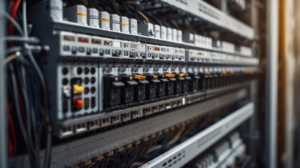
These circuits power areas such as:
-
Lighting systems
-
Air conditioning units
-
Kitchen appliances
-
Power sockets
-
Smart home devices
During renovation projects, replacing or upgrading the distribution board often becomes necessary. This usually happens for several reasons, including:
-
Supporting additional electrical appliances
-
Replacing outdated wiring systems
-
Improving electrical safety
-
Increasing power load capacity
-
Integrating smart home technologies
Since the distribution board controls the entire electrical network of the apartment, any modification requires DEWA approval for electrical renovation.
Why DEWA Approval Is Required
Electrical systems in residential buildings are connected to both the building’s infrastructure and Dubai’s wider power grid. If electrical work is done incorrectly, it can lead to serious risks such as power overload, electrical faults, or even fire hazards.
That’s why DEWA requires official approval before major electrical renovation work begins.
Obtaining DEWA approval for electrical renovation ensures that:
-
Electrical installations follow Dubai’s safety regulations
-
Proper load calculations are completed
-
Licensed professionals handle the work
-
Equipment meets approved electrical standards
-
Building infrastructure remains protected
Without proper approval, renovation work may fail inspections, which can lead to delays, penalties, or additional renovation costs.
Step-by-Step Process for DEWA Approval for Electrical Renovation
Understanding the process ahead of time can help homeowners plan renovations more efficiently. Below is a clear breakdown of the typical steps involved.
1. Hire a DEWA-Approved Electrical Contractor
The first step is hiring a licensed contractor approved by DEWA. Only certified electrical professionals are authorized to design electrical layouts, submit approval applications, and perform electrical modifications in Dubai.
Experienced renovation companies like Interiofy® manage the entire process for homeowners, from design to final approval.
Working with professionals ensures all documentation, drawings, and safety standards comply with DEWA regulations.
2. Electrical Inspection and System Assessment
Before replacing the electrical distribution board, the contractor will inspect the existing electrical system. This evaluation helps determine:
-
Current electrical load capacity
-
The condition of existing wiring
-
Required upgrades for appliances or AC units
-
Potential safety improvements
Based on this assessment, engineers create a plan for the upgraded electrical distribution system.
3. Preparation of Electrical Drawings
Once the inspection is completed, the contractor prepares technical electrical drawings for submission to DEWA.
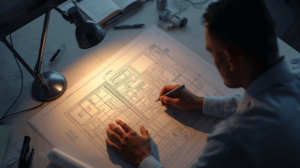
These drawings typically include:
-
Distribution board layout
-
Electrical circuit diagrams
-
Load calculations and schedules
-
Cable routing plans
-
Safety protection systems
These documents allow DEWA engineers to review the proposed electrical changes and ensure they meet regulatory requirements.
4. Obtain a Building Management NOC
In most Dubai residential buildings, you must obtain a No Objection Certificate (NOC) from building management before renovation work begins.
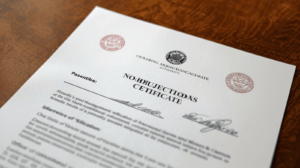
Building management reviews the project to ensure the work will not interfere with:
-
Shared electrical infrastructure
-
Fire safety systems
-
Neighboring apartments
-
Structural or building services
Once issued, the NOC becomes part of the documents submitted for DEWA approval.
Explore: What Permits and NOCs Are Required to Renovate an Apartment in Dubai? Step-by-Step Guide
5. Submit the DEWA Approval Application
After preparing the drawings and obtaining the building NOC, the contractor submits the application for DEWA approval for electrical renovation.
The submission typically includes:
-
Electrical design drawings
-
Load calculation reports
-
Contractor license details
-
Building management NOC
-
Project specifications
DEWA engineers review the application to confirm that the electrical design complies with technical and safety standards.
6. Begin Electrical Renovation Work
Once approval is granted, the contractor can begin the electrical work.
Replacing the electrical distribution board usually involves:
-
Removing the existing distribution panel
-
Installing a modern distribution board
-
Upgrading circuit breakers
-
Improving cable organization
-
Installing protective devices such as RCDs (Residual Current Devices)
All installations must strictly follow the approved design and DEWA safety guidelines.
7. Electrical Testing and Safety Verification
After installation, electricians perform several tests to ensure the system operates safely.
These typically include:
-
Insulation resistance testing
-
Circuit continuity checks
-
Electrical load verification
-
Safety device testing
These procedures confirm the electrical system is stable and ready for final inspection.
8. DEWA Inspection and Final Approval
In some cases, DEWA may conduct an on-site inspection to verify that the work matches the approved design.
During the inspection, engineers check:
-
Distribution board installation
-
Cable connections
-
Circuit protection systems
-
Overall electrical safety
Once the installation passes inspection, the electrical renovation is officially approved, and the system can operate normally.
Common Electrical Upgrades During Apartment Renovations
Electrical renovations often involve several upgrades beyond simply replacing the distribution board.
Some common improvements include:
Electrical Load Upgrades
Modern homes rely on more electrical devices, from ovens to induction cooktops. Increasing the electrical load ensures the system can safely support these appliances.
Smart Home Installation
Many homeowners now install smart lighting, automated curtains, and security systems, which require careful electrical planning.
Additional Power Outlets
Renovations frequently include adding extra sockets to support modern lifestyles.
Kitchen Electrical Upgrades
Kitchen renovations often require new wiring for appliances like dishwashers, microwaves, and electric cooktops.
Lighting System Enhancements
LED lighting, dimmer switches, and decorative lighting fixtures are commonly installed during renovations.
Depending on the scale of these changes, DEWA approval may be required.
Benefits of Hiring Professional Electrical Renovation Services
Electrical renovation is more than just installing wires and panels. It involves technical design, regulatory approvals, and strict safety compliance.
Professional renovation companies help simplify the process by providing:
-
Complete electrical system design
-
DEWA-approved technical drawings
-
Coordination with building management
-
Installation by certified electricians
-
Support during inspections and approvals
This ensures your renovation proceeds smoothly while meeting Dubai’s regulatory requirements.
Read more: 12 Local Suppliers in Dubai for SPC Flooring (With Quick Buying Tips)
Renovating Your Apartment? Let Interiofy® Handle the Process
Electrical upgrades are a key part of modern apartment renovations. However, managing technical requirements and approvals can quickly become complicated without professional help.
If you’re planning a renovation and need assistance with DEWA approval for electrical renovation, the experienced team at Interiofy® can guide you through the entire process.
From design and documentation to installation and final approval, Interiofy® ensures your electrical renovation meets all safety and regulatory standards in Dubai.
Start Your Renovation with Interiofy®
Upgrade your apartment’s electrical system safely and professionally.
Contact Interiofy® today to schedule a consultation and get expert support for your electrical renovation project in Dubai.