A luxury bathroom isn’t always defined by its size. Some of the most impressive bathrooms I’ve seen were surprisingly compact but carefully designed. The secret often lies in thoughtful planning, quality materials, and attention to detail rather than an unlimited budget.
When homeowners begin an interior design bath project, many focus entirely on fixtures and finishes. While those elements matter, true luxury comes from creating a space that feels comfortable, functional, and visually balanced. I’ve noticed that the most successful bathroom renovations combine elegance with practicality, resulting in spaces people genuinely enjoy using every day.
Why Luxury Bathroom Design Matters
Bathrooms have evolved beyond simple functional spaces.
In my experience, a well-designed bathroom contributes significantly to overall home comfort. It can also increase property appeal and create a more relaxing daily routine.
One thing many homeowners overlook is how much design affects the way a bathroom feels. Layout, lighting, and material choices often have a bigger impact than expensive accessories.
1. Start with a Timeless Color Palette
Color establishes the foundation for every successful interior design bath project.
Luxury bathrooms often feature calming tones such as:
- Soft white
- Warm beige
- Light gray
- Natural stone shades
- Muted earth tones
These colors create a sophisticated appearance while remaining timeless.
Avoid Trend Overload
What surprised me was how quickly highly trendy color schemes can feel dated. Neutral foundations allow for easier updates through accessories and decor.
2. Invest in Premium Materials
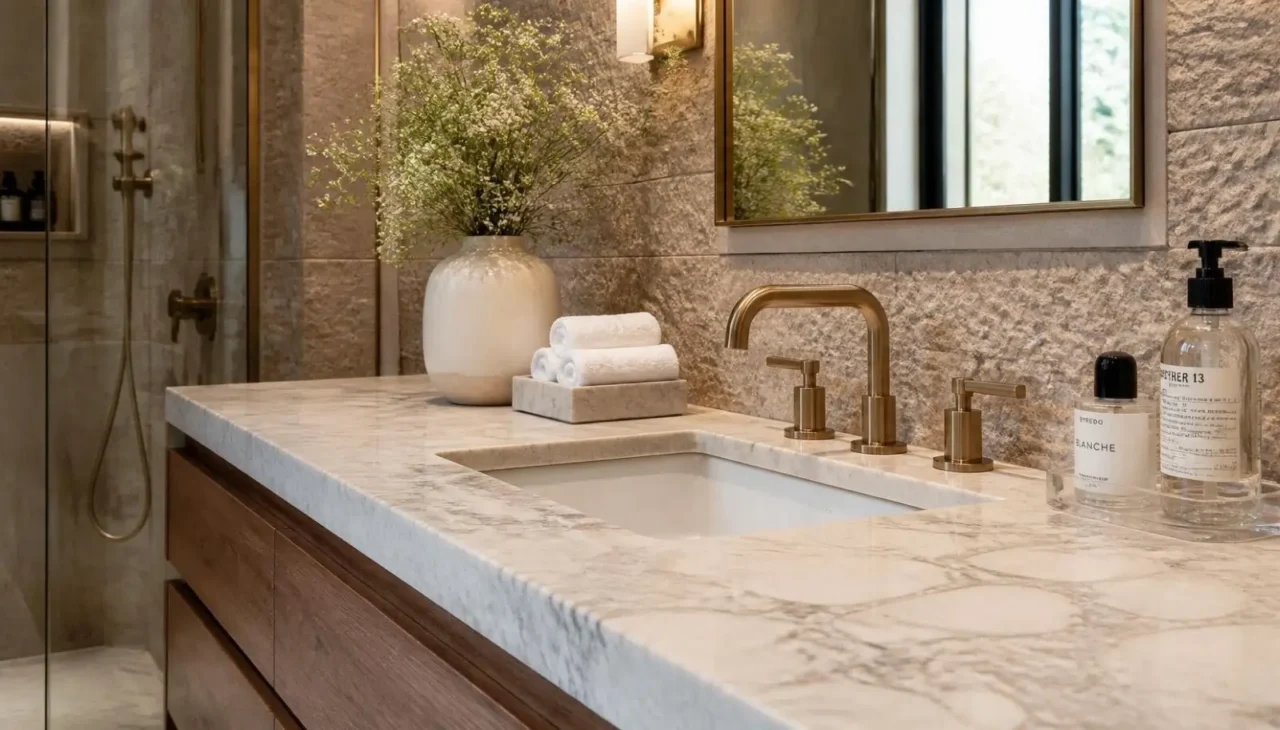
Luxury is often communicated through texture and material quality.
Popular options include:
- Marble surfaces
- Quartz countertops
- Porcelain tiles
- Natural wood accents
- Brushed metal finishes
A successful interior design bath doesn’t require every surface to be expensive. Strategic use of premium materials often delivers the strongest visual impact.
3. Upgrade Your Lighting Strategy
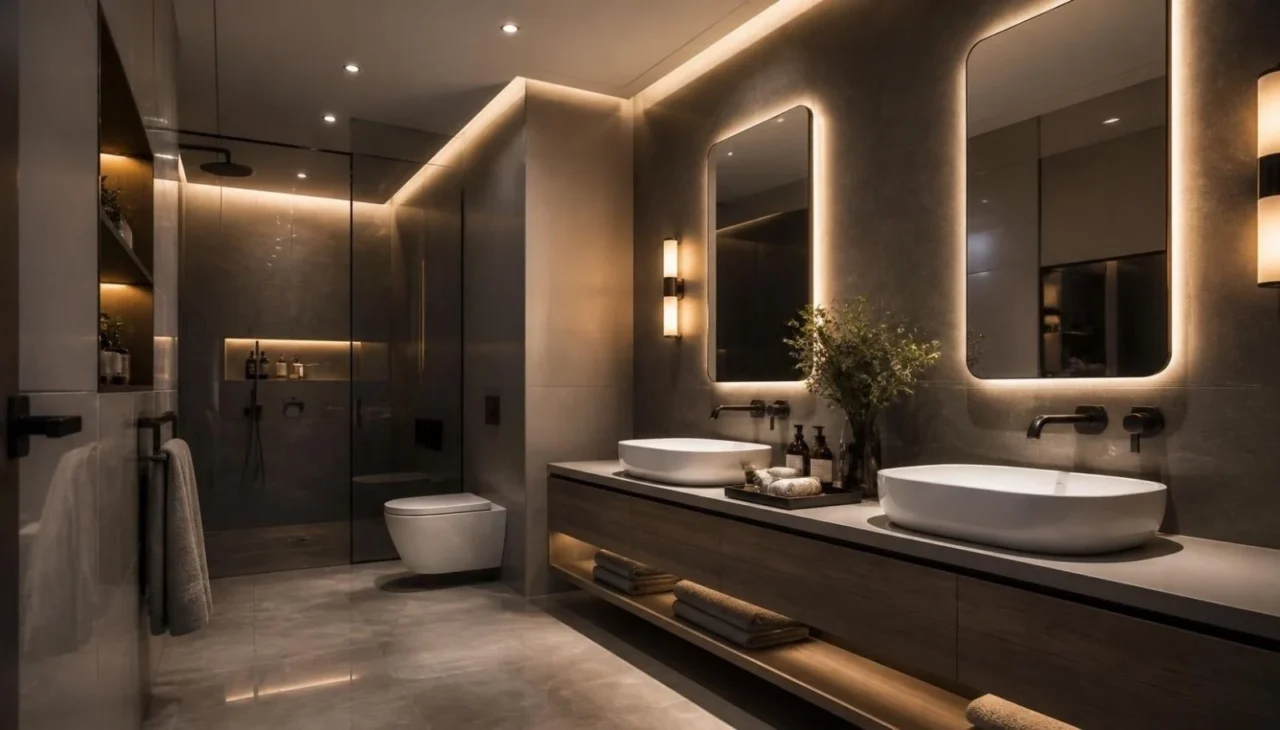
Lighting can dramatically influence how a bathroom feels.
I’ve noticed many bathrooms rely on a single overhead fixture, which often creates harsh shadows.
Layer Your Lighting
Combine:
- Ambient lighting
- Vanity lighting
- Accent lighting
- Decorative fixtures
This approach creates flexibility while enhancing comfort and functionality.
Many luxury bathroom design projects prioritize lighting because it highlights architectural details and premium finishes.
4. Choose Statement Fixtures
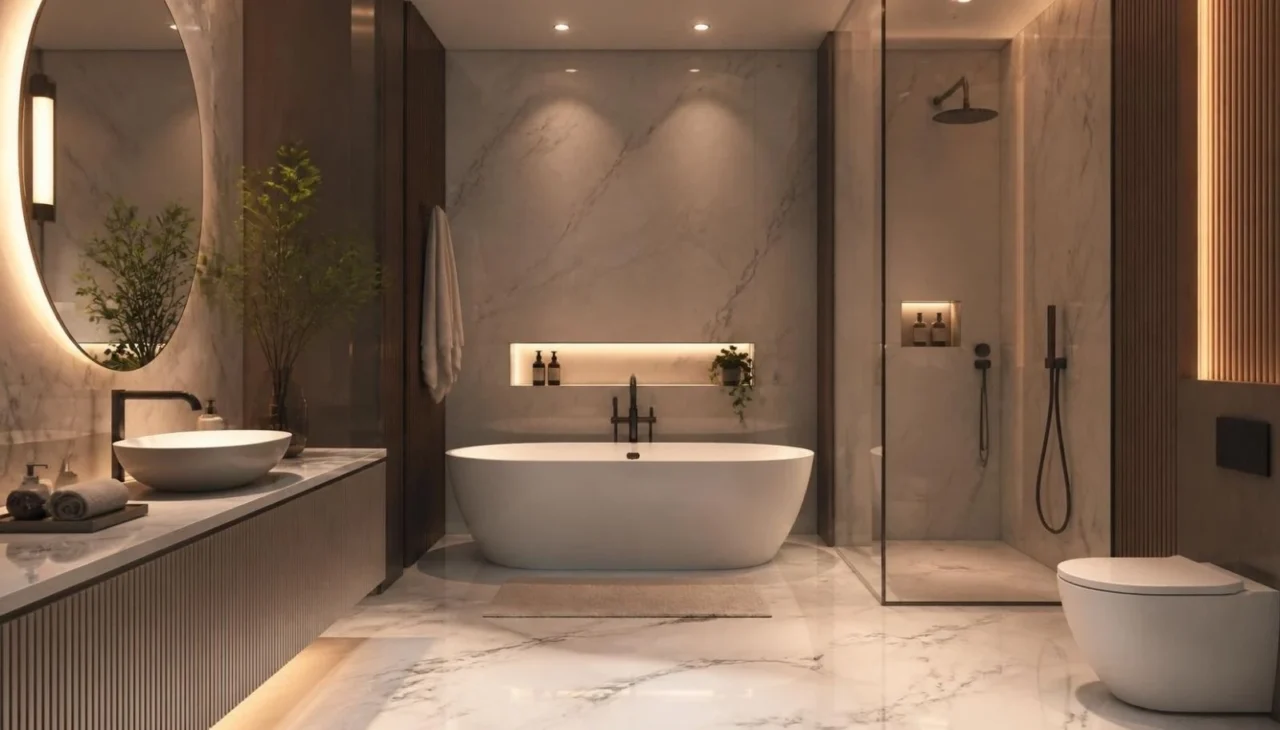
Fixtures often become focal points.
Consider:
- Freestanding bathtubs
- Modern faucets
- Rainfall shower systems
- Designer sinks
What surprised me was how a single statement fixture could transform the entire perception of a bathroom.
A carefully selected centerpiece can elevate any interior design bath project.
5. Maximize Storage Without Clutter
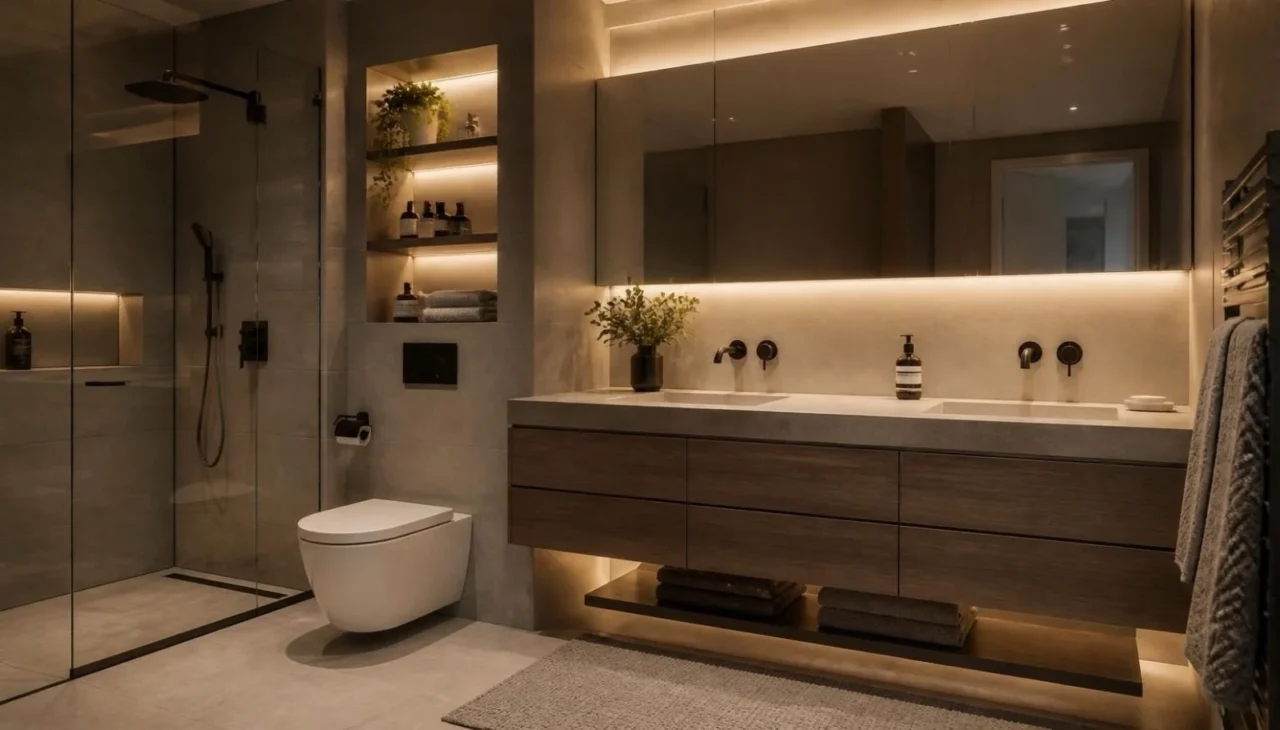
Luxury spaces feel organized.
Storage helps maintain a clean and relaxing environment.
Smart Storage Solutions
- Floating vanities
- Built-in niches
- Recessed shelving
- Hidden cabinets
In my experience, reducing visible clutter instantly makes bathrooms feel more expensive.
6. Incorporate Texture and Layers
Texture creates depth and visual interest.
Without texture, bathrooms can feel flat and sterile.
Ways to Add Texture
- Natural stone
- Wood finishes
- Textured tiles
- Soft towels
- Woven accessories
For an elegant interior design bath, combine multiple textures while maintaining a cohesive design direction.
7. Create a Spa-Like Atmosphere
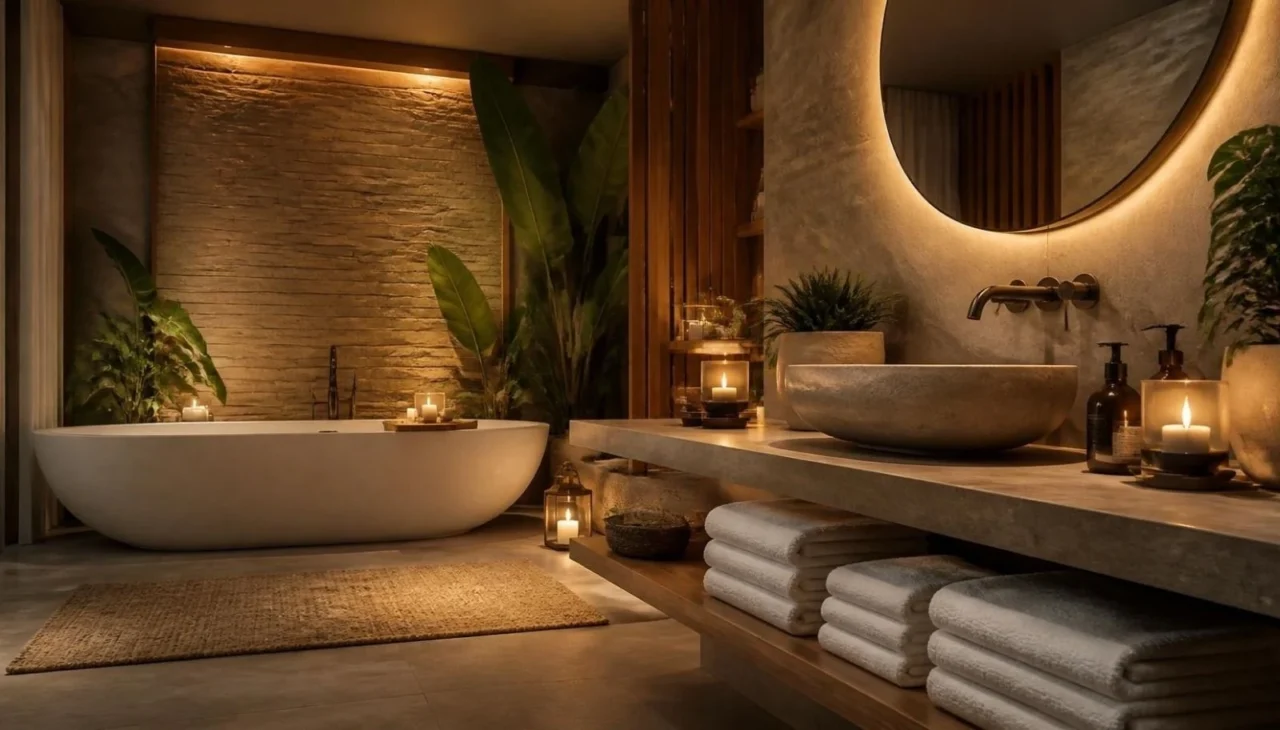
One of the defining characteristics of luxury bathrooms is relaxation.
I’ve noticed that spa-inspired features often provide the greatest sense of luxury.
Consider adding:
- Aromatherapy diffusers
- Soft lighting
- Plush towels
- Natural greenery
- Comfortable bath mats
These details contribute to a more enjoyable daily experience.
Focus on Sensory Comfort
Luxury isn’t only visual.
Sound, texture, lighting, and scent all influence how a bathroom feels.
8. Add Decorative Elements Carefully
Decor should enhance the room rather than overwhelm it.
A few carefully selected pieces often create a stronger impact than excessive styling.
Ideas include:
- Framed artwork
- Decorative trays
- Ceramic accessories
- Elegant mirrors
One thing many homeowners overlook is that restraint often looks more luxurious than abundance.
A balanced interior design bath feels intentional rather than crowded.
9. Avoid Common Bathroom Design Mistakes
Even attractive bathrooms can lose their appeal due to poor planning.
Common Mistakes
- Insufficient storage
- Poor lighting placement
- Overdecorating
- Ignoring ventilation
- Using too many materials
I’ve noticed that successful renovations focus on solving practical problems before adding decorative features.
10. Focus on Long-Term Comfort
Design trends change, but comfort remains important.
When planning an interior design bath, think beyond immediate visual appeal.
Choose:
- Durable materials
- Comfortable layouts
- Easy-to-maintain finishes
- Practical storage
These decisions help ensure the bathroom remains functional and attractive for years.
Modern Bathroom Trends Worth Considering
Many homeowners currently favor:
- Floating vanities
- Walk-in showers
- Warm neutral palettes
- Natural materials
- Smart technology
These features align well with both modern bathroom ideas and long-term usability.
Conclusion
Creating a luxurious bathroom doesn’t always require a complete renovation or an unlimited budget. The most successful interior design bath projects focus on thoughtful planning, premium materials, layered lighting, and practical organization.
From statement fixtures and spa-inspired details to smart storage and timeless color palettes, every design choice contributes to the overall experience. By focusing on comfort, functionality, and visual balance, you can create a bathroom that feels elegant, relaxing, and genuinely luxurious. A well-executed interior design bath enhances both everyday living and the long-term value of your home.