The appearance of an office influences more than first impressions. It affects productivity, creativity, focus, and even employee satisfaction. A few years ago, I helped redesign a small office that felt crowded, dull, and uninspiring. The furniture was functional, but the space lacked personality. After introducing a few thoughtful updates, the atmosphere changed completely.
That’s why modern office decor has become such an important part of workplace design. Whether you’re looking for Luxury Office Interior Design Ideas for a new workspace or planning Dubai’s Luxury Office Renovation, the goal isn’t simply to create a beautiful environment. It’s about building a workspace where people enjoy spending their time and can perform at their best.
I’ve noticed that the most effective offices often rely on simple design principles rather than expensive renovations. Small improvements can create a surprisingly large impact.
Why Modern Office Design Matters
A workspace should support both productivity and well-being.
In my experience, employees naturally feel more motivated when their surroundings are comfortable and visually appealing. A thoughtfully designed office also leaves a stronger impression on clients and visitors.
One thing many business owners overlook is how much office design contributes to company culture.
1. Choose a Consistent Color Palette
Color sets the tone for the entire office.
Neutral shades such as white, gray, beige, and soft earth tones continue to dominate modern office decor because they create a clean and professional atmosphere.
For visual interest, introduce accent colors through artwork, furniture, or decorative accessories.
Recommended Color Combinations
- White and natural wood
- Gray and navy blue
- Beige and black accents
- Green and warm neutrals
2. Invest in Ergonomic Furniture
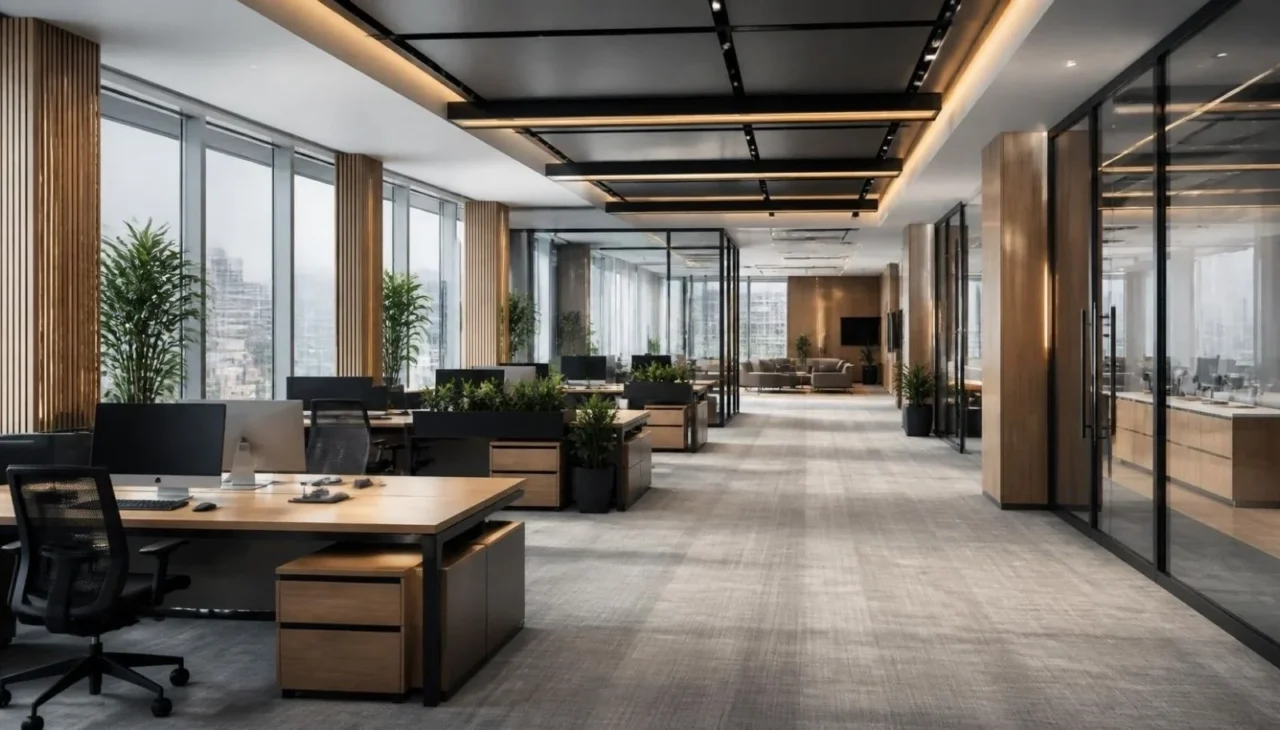
Stylish furniture should never come at the expense of comfort.
Employees spend hours sitting at desks every day. Ergonomic chairs and adjustable desks help reduce fatigue while improving posture.
What surprised me was how quickly workplace satisfaction improved after upgrading seating arrangements.
Comfort is often one of the most valuable investments in office design.
3. Maximize Natural Light
Natural light has a noticeable impact on energy levels and focus.
Whenever possible:
- Position desks near windows
- Use light-colored surfaces
- Avoid blocking sunlight with bulky furniture
Many successful workspace design ideas prioritize daylight because it makes offices feel larger and more welcoming.
4. Add Indoor Plants
Plants bring life into a workspace. I’ve noticed that offices with greenery often feel more inviting and less sterile than those filled only with furniture and equipment.
Popular choices include:
- Snake plants
- ZZ plants
- Pothos
- Peace lilies
These plants require minimal maintenance while enhancing the overall environment.
5. Create a Functional Layout
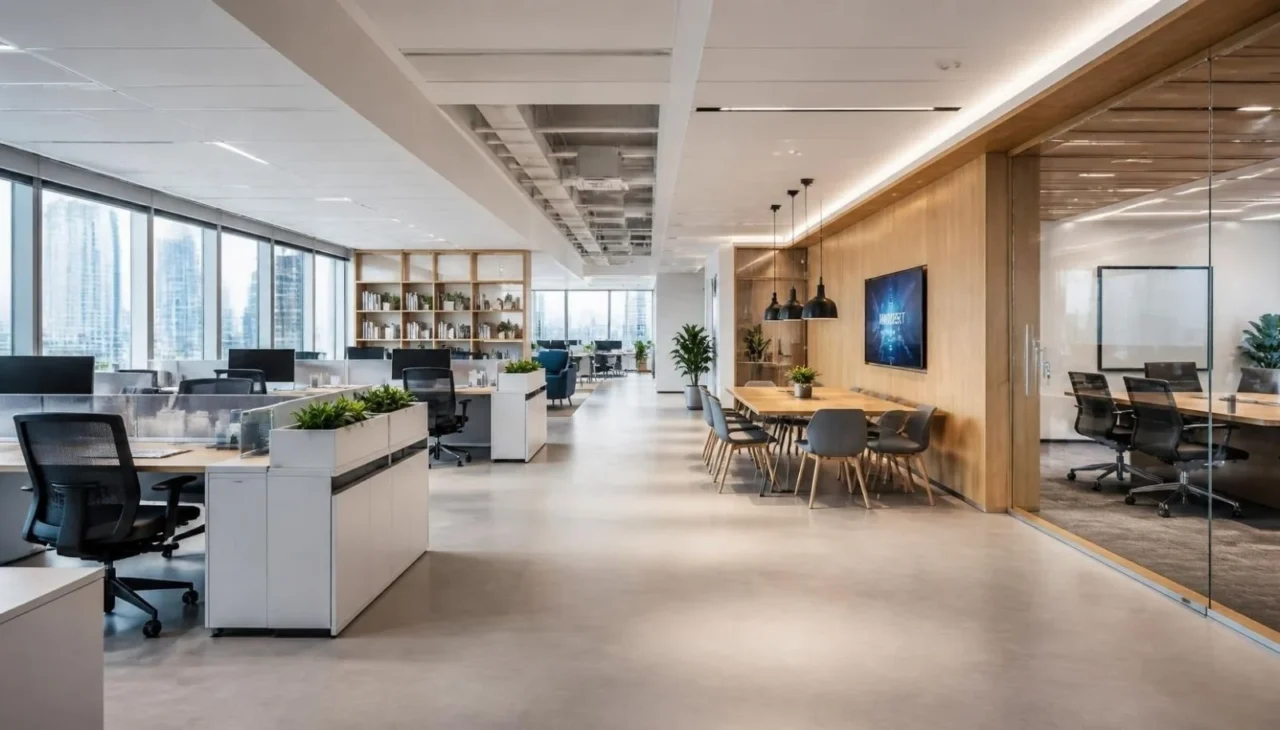
Even beautiful offices can feel frustrating if the layout doesn’t support daily workflows.
Employees should move comfortably throughout the space.
Layout Tips
- Keep walkways clear
- Group teams logically
- Minimize unnecessary obstacles
- Create dedicated work zones
Effective office interior design balances aesthetics with functionality.
6. Modern Office Decor Through Wall Design
Walls play a major role in shaping workplace atmosphere.
One of the easiest ways to improve modern office decor is through intentional wall styling.
Consider adding:
- Framed artwork
- Company values displays
- Inspirational photography
- Acoustic wall panels
Large blank walls can make an office feel unfinished, while thoughtful decor creates personality.
7. Introduce Smart Storage Solutions
Storage affects both organization and appearance.
Clutter can quickly undermine even the most attractive workspace.
Use:
- Built-in cabinets
- Floating shelves
- Storage benches
- Filing systems
In my experience, reducing visible clutter instantly makes an office feel more professional.
8. Use Layered Lighting
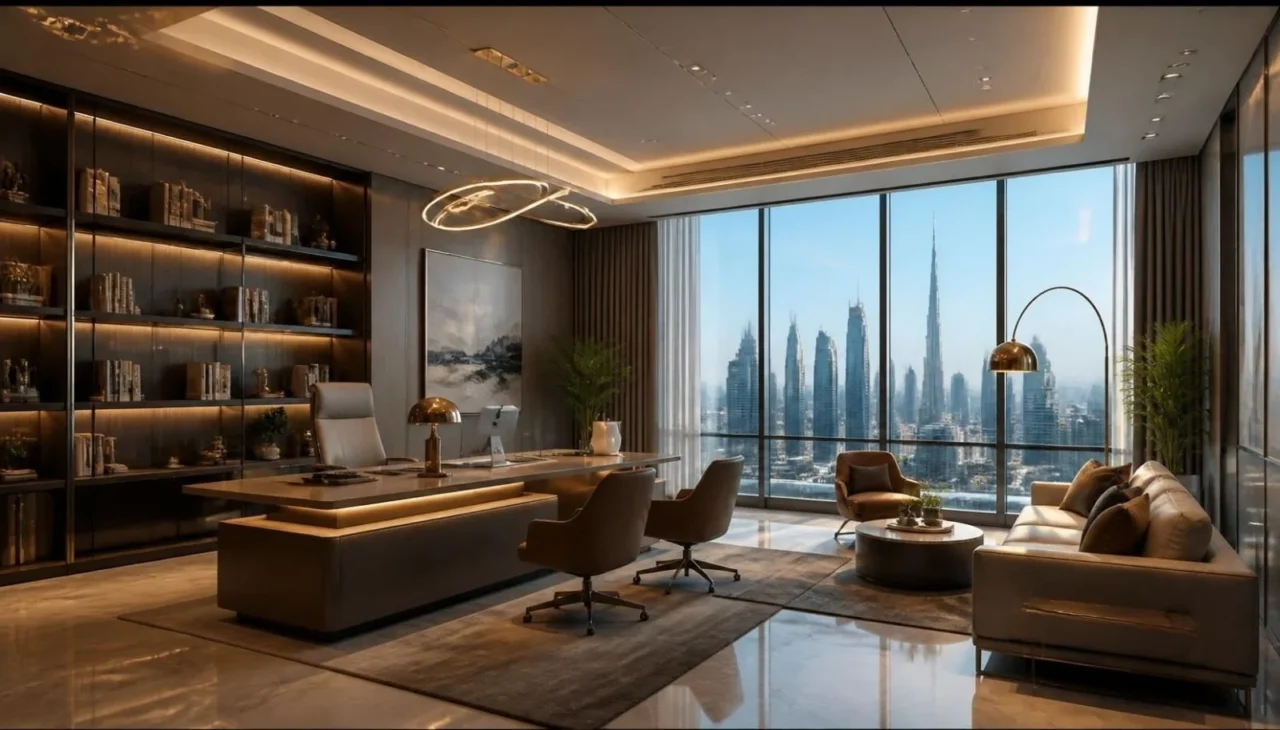
Lighting should support different activities throughout the day.
Relying solely on overhead fixtures often creates harsh shadows.
Combine Multiple Light Sources
- Ceiling lighting
- Desk lamps
- Accent lighting
- Decorative fixtures
This layered approach is a common feature of successful modern office decor projects.
9. Add Texture and Materials
Texture creates visual depth.
Without it, office environments can feel cold and repetitive.
Introduce texture through:
- Wood surfaces
- Fabric seating
- Area rugs
- Decorative panels
These materials soften the overall appearance while maintaining professionalism.
10. Design Collaborative Areas
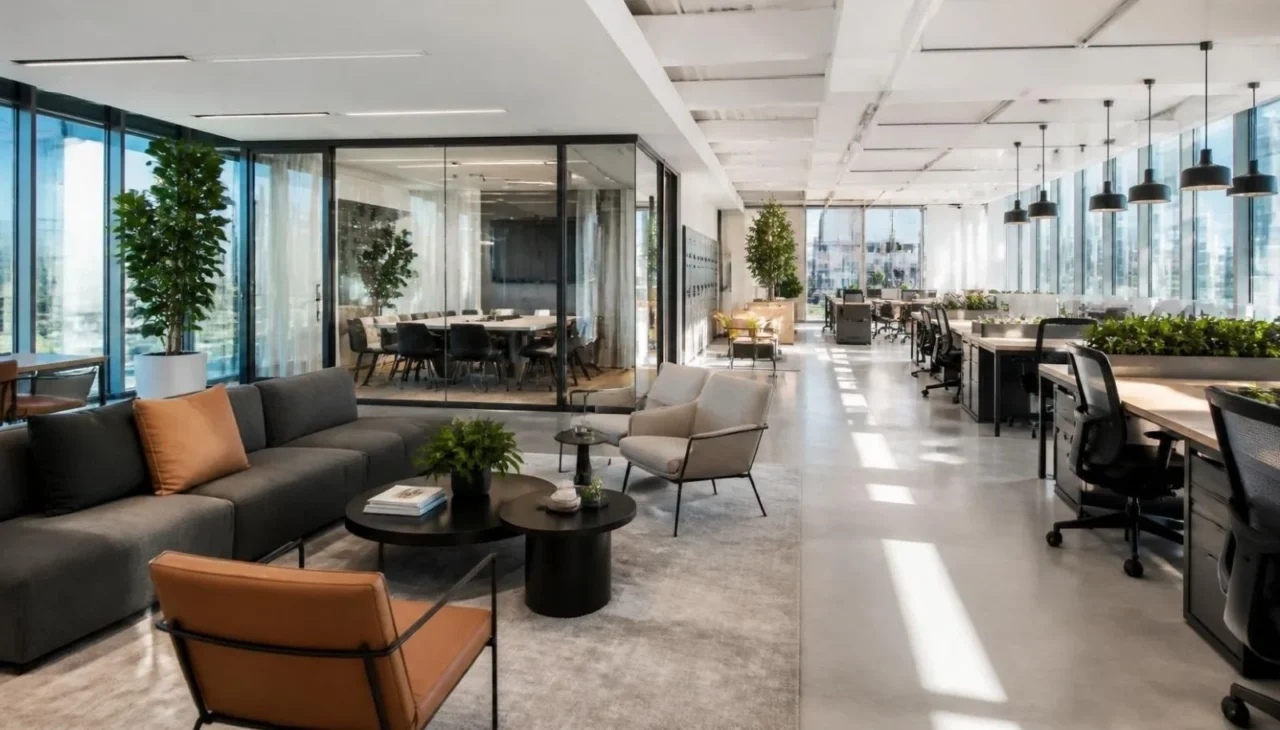
Modern workplaces often require both focused work and teamwork.
Create flexible collaboration spaces using:
- Lounge seating
- Meeting pods
- Shared tables
- Informal discussion areas
These zones encourage communication while supporting different work styles.
11. Incorporate Technology Seamlessly
Technology should enhance design rather than dominate it.
Hide cables where possible and choose equipment that integrates cleanly into the workspace.
One thing many homeowners overlook when converting home offices is cable management. The same principle applies to professional environments.
12. Personalize Individual Workstations
People appreciate spaces that feel personal.
Allow employees to add:
- Family photos
- Small plants
- Desk accessories
- Personal organizational tools
A small amount of personalization helps employees feel more connected to their environment.
13. Reduce Visual Clutter
Minimalism remains a defining characteristic of modern office decor.
That doesn’t mean offices should feel empty.
Instead, every item should serve a purpose.
Regularly evaluate furniture, decorations, and storage systems to eliminate unnecessary distractions.
14. Create a Welcoming Reception Area
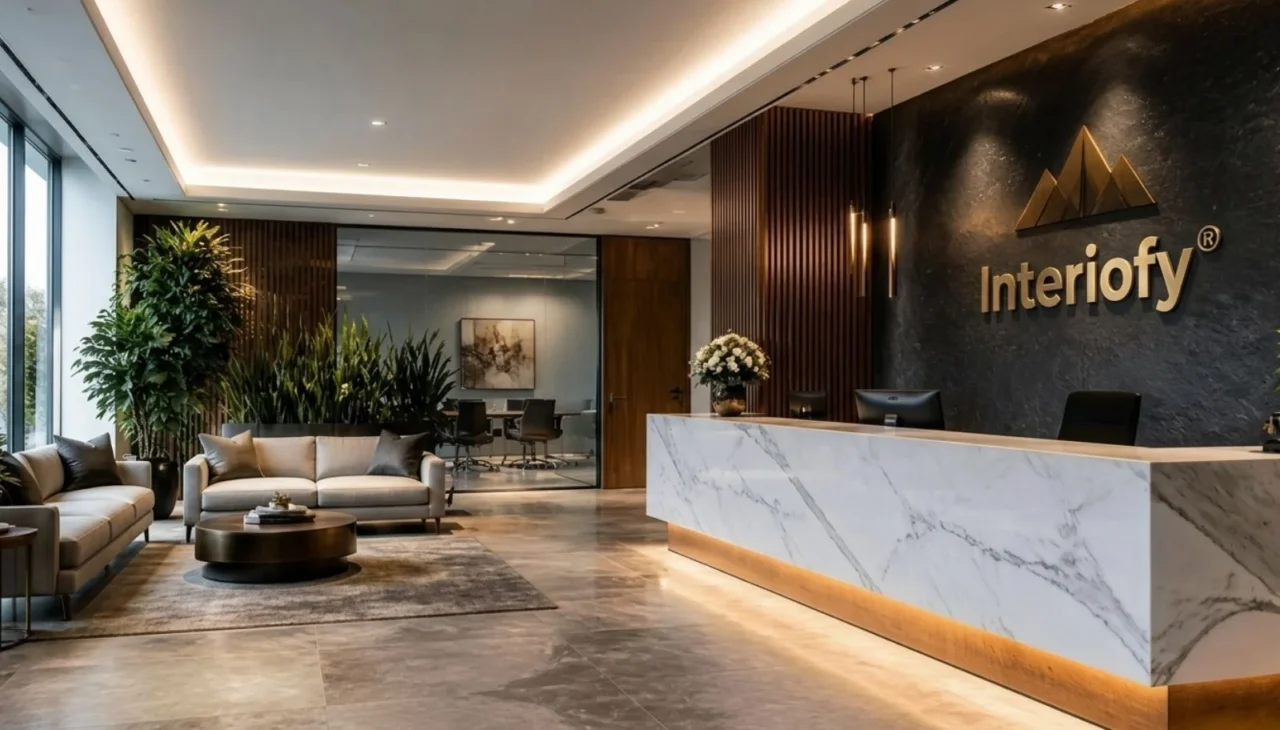
First impressions matter.
Visitors often form opinions about a business within seconds of entering the office.
A strong reception area may include:
- Comfortable seating
- Statement artwork
- Brand elements
- Quality lighting
The reception space should reflect the professionalism found throughout the office.
15. Prioritize Comfort and Flexibility
Work environments continue to evolve.
Flexible furniture, adaptable meeting spaces, and comfortable workstations help offices remain functional as needs change.
What surprised me was how often flexible layouts outperformed highly structured designs. People appreciate environments that can adapt to different tasks and working styles.
Common Office Decor Mistakes
Avoid these common problems:
- Excessive decoration
- Poor lighting
- Ignoring ergonomics
- Overcrowded layouts
- Lack of storage
- Inconsistent color schemes
Small issues can gradually affect both productivity and workplace satisfaction.
If you’re planning a workspace upgrade, working with an experienced Office Interior Design Company in Dubai can help turn your ideas into a functional and visually appealing office. Professional designers can create a space that reflects your brand while improving comfort, productivity, and long-term flexibility.
Conclusion
Great modern office decor is about more than appearance. It creates an environment that supports focus, collaboration, and comfort. From ergonomic furniture and natural lighting to thoughtful storage and personalized workstations, every design decision contributes to the overall experience.
Whether you’re redesigning a corporate office or exploring workspace design ideas for a smaller business, the most successful spaces balance style with functionality. By applying these principles, you can create modern office decor that looks professional while helping people do their best work.